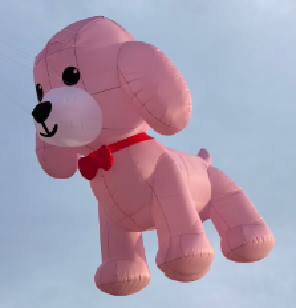
Choosing the right kite size can make the difference between an amazing flying experience and a frustrating one. Whether you’re buying for kids, festivals, or professional displays, this complete guide will help you pick the perfect kite size for your needs.
🎯 Why Kite Size Matters
Kite size affects:
- How easy it is to fly
- The wind conditions required
- Safety and control
- Visual impact
A kite that’s too small may struggle to lift, while a kite that’s too large can be difficult to control—especially for beginners.
📏 Kite Size Categories Explained
🧸 Small Kites (1–2 meters / 3–6 ft)
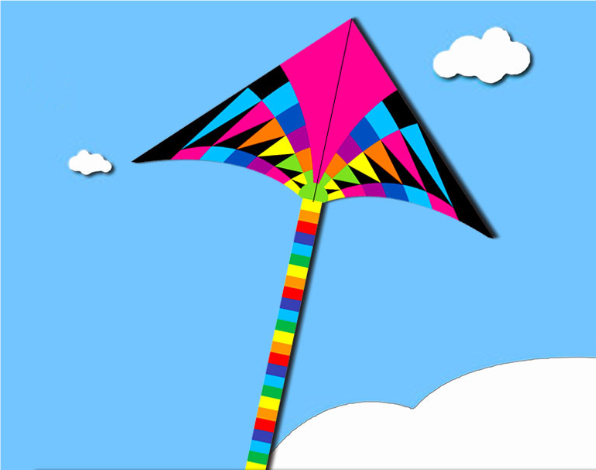
Best for:
- Kids
- Beginners
- Light wind conditions
Pros:
- Easy to control
- Lightweight
- Safe for children
Cons:
- Less visual impact
- Not suitable for strong winds
👉 Perfect choice for family fun and first-time flyers.
🏖 Medium Kites (2–5 meters / 6–16 ft)
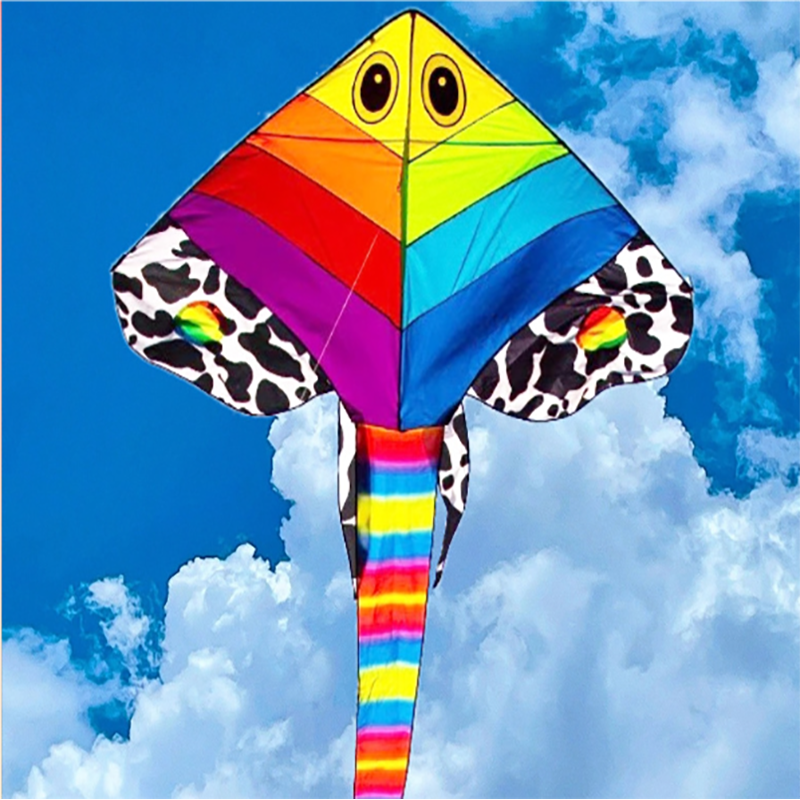
Best for:
- Casual flyers
- Beach and park use
- Light to moderate wind
Pros:
- Balanced performance
- Easy to transport
- Good visibility
Cons:
- Requires some basic flying skill
👉 This is the most popular category for everyday use.
🎪 Large Kites (5–10 meters / 16–33 ft)
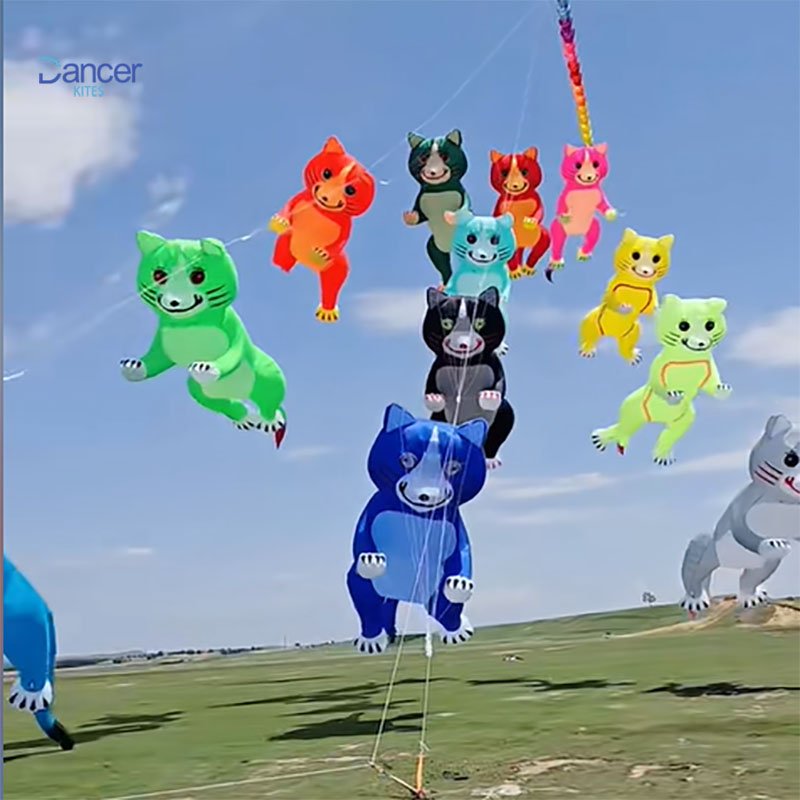
Best for:
- Festivals
- Events
- Experienced users
Pros:
- Impressive appearance
- Strong lift
- Great for shows
Cons:
- Needs more space
- Requires stronger wind
👉 Ideal if you want to stand out in a crowd.
🐻 Giant Kites (10m+ / 33ft+)
Best for:
- Professional displays
- Branding events
- Kite festivals
Pros:
- Huge visual impact
- Crowd attraction
- Perfect for photography
Cons:
- Requires experience
- Needs anchoring or a team
- Higher wind requirements
👉 These are often used by professionals or event organizers.
🌬️ Choosing Based on Wind Speed
Wind is just as important as size.
| Wind Level | Recommended Kite Size |
|---|---|
| Light wind (5–10 mph) | Large or giant kites |
| Medium wind (10–20 mph) | Medium kites |
| Strong wind (20+ mph) | Small kites |
👉 Bigger kites need lighter wind
👉 Smaller kites handle stronger wind better
👨👩👧 Choosing by User Type
👶 For Kids
- Choose: 1–2m soft kites
- Reason: Safe, easy to fly, no rigid frame
🏖 For Casual Fun (Beach / Park)
- Choose: 2–5m kites
- Best balance of fun and control
🎉 For Festivals & Events
- Choose: 5m+ large or giant kites
- Creates strong visual impact
🏢 For Commercial Use / Branding
- Choose: custom giant kites
- Ideal for advertising and promotions
⚠️ Common Mistakes to Avoid
❌ Choosing a kite that’s too large for beginners
❌ Ignoring wind conditions
❌ Flying large kites in small spaces
❌ Not using proper line strength
🧠 Pro Tips
- Always check the wind before flying
- Start small if you’re a beginner
- Use a stronger line for larger kites
- For giant kites, consider anchoring systems
❓ FAQ
Q1: Is a bigger kite always better?
No. Bigger kites are more impressive but harder to control and require proper wind conditions.
Q2: What size kite is best for beginners?
A 1–2 meter soft kite is ideal for beginners and kids.
Q3: Can I fly a large kite alone?
Small large kites—yes. Giant kites usually require assistance or anchoring.
Q4: What happens if the kite is too big for the wind?
It may not lift properly or feel unstable.
🎯 Final Thoughts
Choosing the right kite size depends on your experience level, wind conditions, and purpose.
- For beginners → go small
- For everyday fun → go medium
- For impact → go big
Start with the right size, and flying a kite becomes effortless and enjoyable.
🪁 Ready to Find Your Perfect Kite?
Explore different sizes and styles to match your needs—from fun family kites to stunning festival displays.